
As cities grow larger and more connected, the need for sustainable urban mobility is becoming a priority. Smart cities, designed with advanced technology and environmental consciousness, are incorporating renewable energy to power public transportation and infrastructure. Here’s how renewable energy is transforming urban mobility and paving the way for cleaner, more efficient cities.
Renewable Energy in Public Transportation
Cities around the world are integrating renewable energy into public transport systems. Electric buses powered by solar and wind energy are reducing emissions, cutting fuel costs, and providing cleaner air. Metro systems are also adopting renewable power, with stations and trains being partially or fully powered by solar panels.
EV Infrastructure in Smart Cities
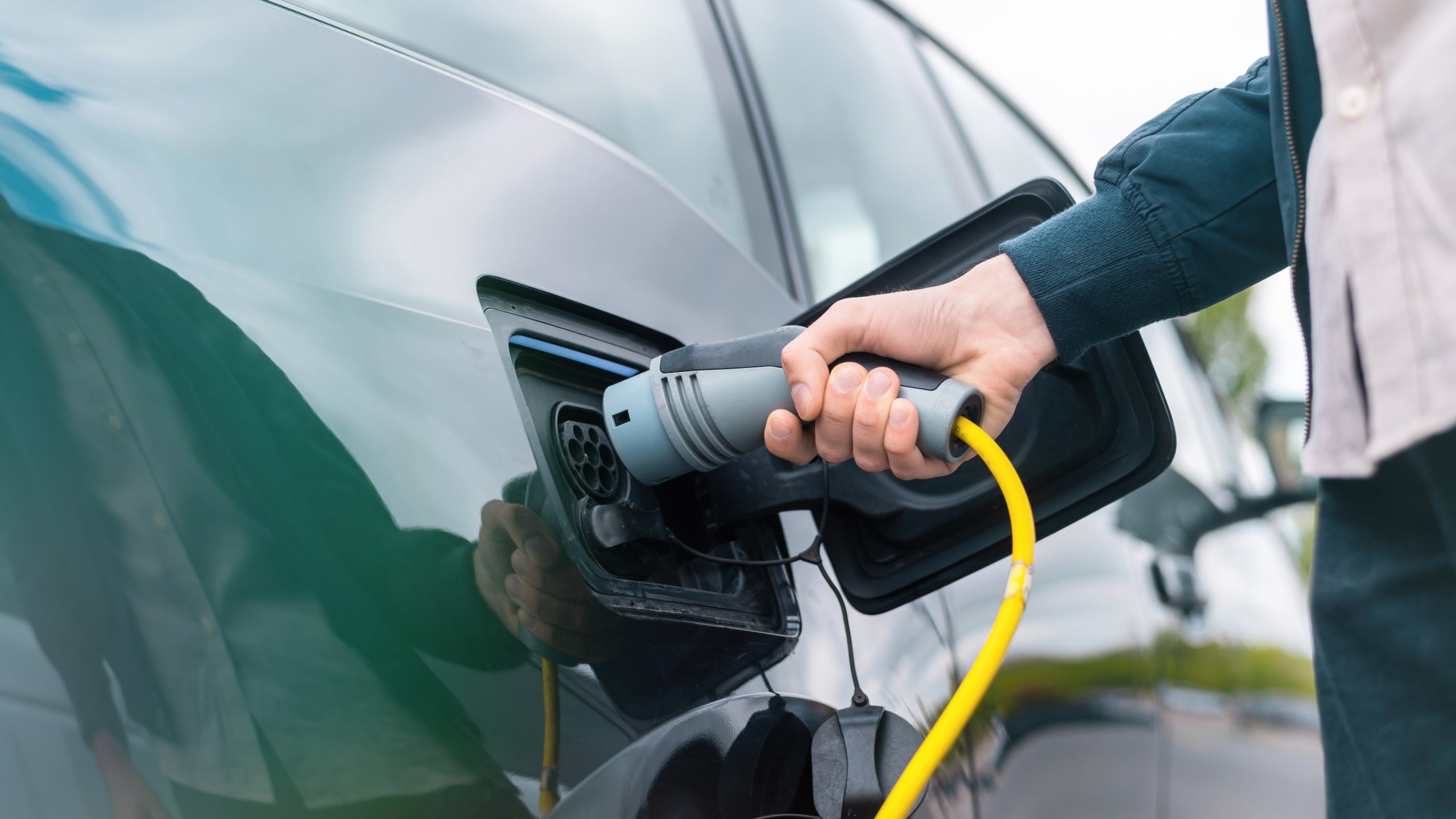
Smart cities are rapidly expanding their electric vehicle (EV) charging networks, making it easier for residents to transition to EVs. Many of these charging stations are powered by renewable energy, ensuring that both private and public transport contributes to a greener future. Smart grids, combined with EVs, can help manage energy supply and demand more efficiently.
Sustainability Beyond Transport
Beyond transportation, renewable energy is helping smart cities optimize their energy usage in other areas such as street lighting, waste management, and building energy consumption. By creating a holistic energy-efficient environment, smart cities are addressing climate change, improving quality of life, and fostering economic growth.
Conclusion
Renewable energy is a key driver in the development of smart cities. By powering urban mobility and infrastructure, it helps reduce pollution, enhance efficiency, and create sustainable living spaces for future generations.

